Icon Theater Stage Striped Line: A Strategic Visual Asset for Creative and Marketing Professionals
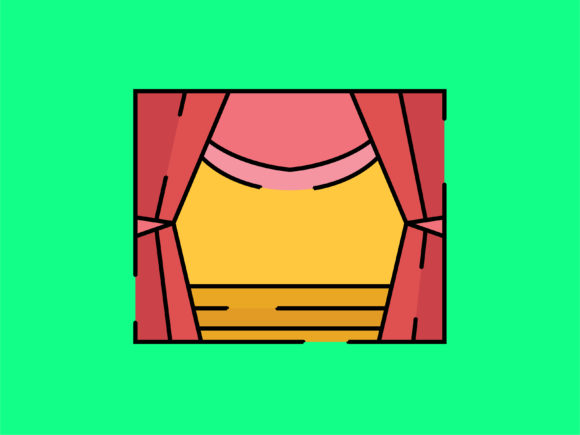
The Icon Theater Stage Striped Line is a versatile visual element that captures the essence of performance, creativity, and storytelling. This icon, often used as a sticker or decorative detail on posters, magazines, books, and brochures, depicts an art or theater stage—typically associated with dramas, shows, or acting. Its clean, stylized design makes it a popular choice for designers and marketers looking to evoke themes of performance, entertainment, and artistic expression.
Available in formats such as AI 10, EPS 10, JPG, and PNG, this icon offers flexibility across various platforms and mediums. Whether you're designing promotional materials for a theatrical production, creating branding assets for a creative agency, or enhancing the visual appeal of educational content, the Icon Theater Stage Striped Line can be a valuable addition to your toolkit.
Strategic Use of the Icon Theater Stage Striped Line
Using the Icon Theater Stage Striped Line strategically involves understanding its symbolic meaning and how it aligns with your communication goals. The theater stage is inherently linked to storytelling, audience engagement, and emotional resonance. By incorporating this icon into your designs, you can signal to your audience that your content or product relates to these themes.
For example, if you are promoting a drama festival, using this icon in your marketing collateral can immediately communicate the nature of the event without the need for extensive text. Similarly, in educational contexts, it can be used to highlight modules or sections related to performing arts, literature, or drama studies.
When selecting this icon, consider the overall aesthetic of your project. The striped line design adds a subtle yet dynamic visual cue that complements both minimalist and more elaborate layouts. It works well in monochrome settings but also shines when paired with vibrant colors to create contrast and draw attention.
Planning and Positioning: When and How to Use the Icon
The Icon Theater Stage Striped Line should not be used indiscriminately. Instead, think about where it will add value. Consider the following scenarios:
- Event Promotion: Incorporate the icon into flyers, social media posts, or digital banners for theater events, workshops, or performances.
- Brand Identity: If your brand is associated with the arts, education, or entertainment, this icon can reinforce your identity and make your visuals more memorable.
- Content Creation: Use it in blog headers, magazine spreads, or brochure designs to visually indicate sections related to drama, acting, or performance.
- Educational Materials: Highlight key topics or chapters in textbooks, course syllabi, or online learning platforms focused on the performing arts.
Before integrating the icon, evaluate the context and audience. Ask yourself: Does this icon enhance the message? Will it resonate with the target demographic? Is it consistent with the tone and style of the rest of the content?
Additionally, consider scalability and adaptability. Since the icon is available in vector formats (AI and EPS), it can be resized without losing quality, making it ideal for print and digital use alike.
Practical Examples and Application Tips
Let’s explore a few practical examples of how the Icon Theater Stage Striped Line can be applied effectively:
- Marketing Collateral: A local theater company could use this icon on their website header, ticket sales page, or social media graphics to create a cohesive and recognizable visual theme.
- Book Covers: Publishers of drama-related books might include the icon on the cover or spine to immediately convey the subject matter and attract the right audience.
- Interior Design: In spaces like theaters, galleries, or classrooms, the icon can be used as part of a larger mural or signage to reinforce the environment's purpose.
- Digital Assets: Bloggers or content creators discussing theater, acting, or performance can use the icon in their article headers, sidebars, or infographics to maintain thematic consistency.
To maximize impact, pair the icon with complementary elements such as relevant fonts, color schemes, and supporting text. For instance, using a bold sans-serif font alongside the icon can create a modern and professional look, while a script font may add a more artistic or dramatic flair.
Risks of Misuse and How to Avoid Them
While the Icon Theater Stage Striped Line is a powerful visual tool, its misuse can lead to confusion or dilution of your message. Overusing the icon, especially in unrelated contexts, can reduce its effectiveness and potentially alienate your audience.
One common risk is using the icon without considering cultural or contextual relevance. In some cases, the imagery of a theater stage might not resonate with all audiences or could even be misinterpreted. Always ensure that the icon aligns with the core message and values of your project.
Another risk is relying too heavily on the icon without sufficient textual support. While visuals are important, they should complement—not replace—clear and concise messaging. Use the icon as a visual aid rather than the primary means of communication.
Intentional Integration for Long-Term Value
For long-term success, integrate the Icon Theater Stage Striped Line intentionally. Think about how it contributes to your broader strategy. Is it helping to build brand recognition? Enhancing user experience? Or simply adding visual interest to your content?
Consider conducting a small audit of your existing materials to see where the icon can be most effective. Are there areas where it can strengthen your message? Are there opportunities to use it consistently across multiple channels to reinforce your brand identity?
Finally, keep in mind that the power of this icon lies in its simplicity. It doesn’t need to be complicated or overly detailed to be effective. Sometimes, less is more when it comes to visual design.
By using the Icon Theater Stage Striped Line thoughtfully and strategically, you can enhance your creative output, improve communication, and achieve better results in your marketing, branding, and content creation efforts.