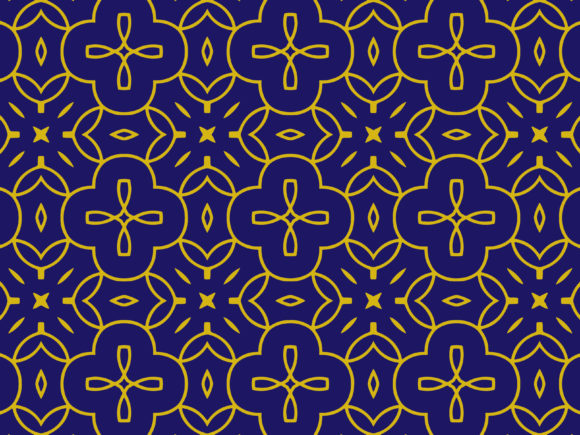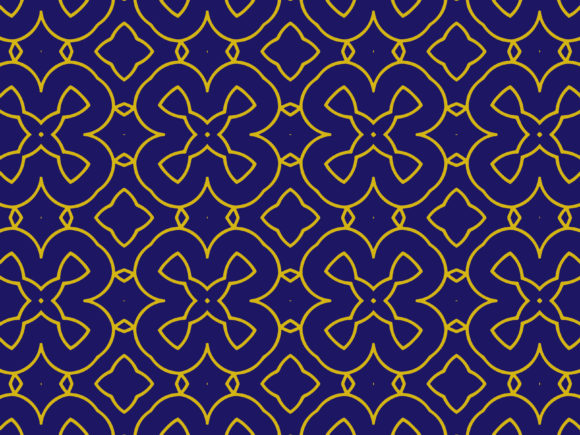
Pattern Religion Islamic Illustration: A Guide to Choosing and Using Beautiful Islamic Design Elements
Islamic illustration is a rich and intricate art form that has been passed down through generations. Whether you're looking for a background, decor, or wallpaper, Pattern Religion Islamic Illustration offers a unique blend of geometric, abstract, and ornate designs that reflect the deep cultural and religious significance of Islam. These patterns are not only visually stunning but also deeply rooted in Middle Eastern, Arabian, and Moroccan art traditions. However, many people make common mistakes when choosing and using these designs, which can affect the final result.
Understanding Pattern Religion Islamic Illustration
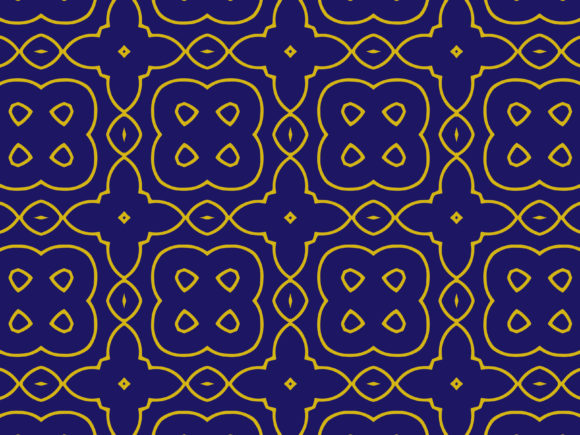
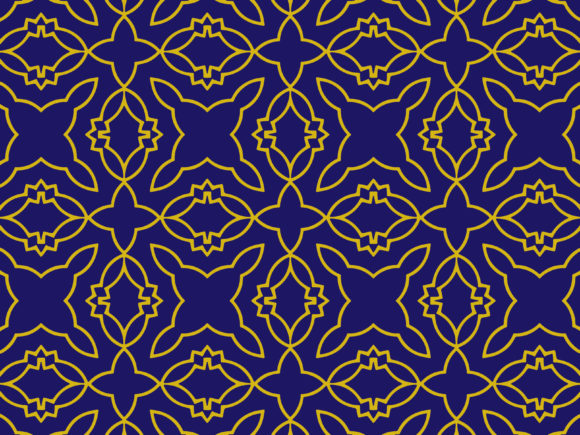
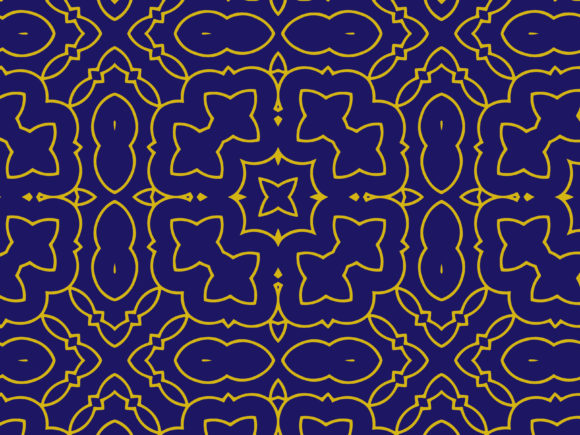
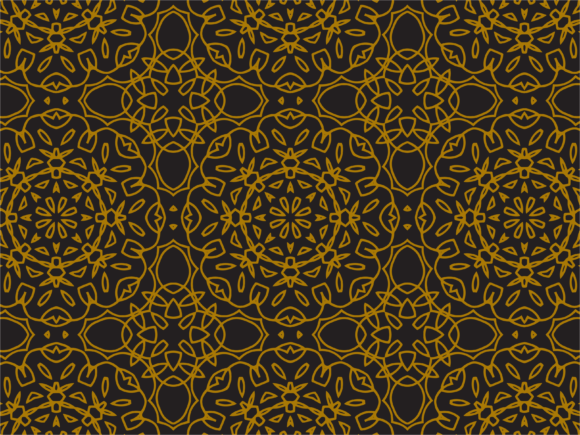
Pattern Religion Islamic Illustration refers to a wide range of graphic, seamless, and repeat designs inspired by Islamic mosaic, tile, and motif art. These illustrations often feature symmetry, geometry, and vintage elements that are suitable for decoration, backdrop, template, and wall applications. They are popular among designers, freelancers, entrepreneurs, and small business owners who want to add an elegant and oriental touch to their work.
One of the most appealing aspects of Pattern Religion Islamic Illustration is its versatility. It can be used as background in digital projects, as decoration in homes or offices, or even as part of mosque designs. The color, texture, and style of these illustrations vary widely, making them suitable for both modern and traditional settings.
Common Mistakes When Choosing Islamic Patterns
While Pattern Religion Islamic Illustration is beautiful, there are several mistakes that people commonly make when selecting and using these designs. Here are some of the most frequent errors:
- Ignoring Scalability: Many users choose Islamic patterns without considering how they will look when scaled up or down. A design that looks great on a small tile might not be suitable for a large wallpaper or backdrop.
- Overcomplicating the Design: Some people try to use too many elements in one illustration, leading to a cluttered and confusing pattern. This can detract from the elegance and symmetry that define Islamic art.
- Not Checking Licensing: If you're using Islamic illustrations for commercial purposes, it's important to check the license associated with the design. Some templates may not be suitable for business use without proper permission.
- Choosing the Wrong Color Palette: While Islamic designs are often associated with gold, blue, and white, not all color combinations work well together. It's important to choose a palette that complements the overall decor or project.
How to Avoid Common Mistakes
To ensure that your Pattern Religion Islamic Illustration looks its best, follow these practical tips:
- Test the Design at Scale: Before committing to a pattern, test it on different sizes to see how it looks. This is especially important if you're using it as a wallpaper or background.
- Keep It Simple: Use a limited number of elements in your illustration to maintain clarity and balance. A simple geometric pattern can be more effective than a complex mosaic design.
- Check the License: Always verify the license before using any Islamic pattern for commercial purposes. This will help you avoid legal issues and ensure that you're using the design correctly.
- Choose Colors Carefully: Select a color palette that complements the design and the space where it will be used. Consider using neutral colors as a base and adding accent colors for visual interest.
What to Look for in Pattern Religion Islamic Illustration
When selecting Pattern Religion Islamic Illustration, there are several key factors to consider:
- Quality: Look for high-resolution images and vector files that can be scaled without losing quality. This is especially important for print or large-format applications.
- Relevance: Choose a pattern that fits the cultural or religious context of your project. For example, Ramadan or Eid themes may require specific motifs or icons.
- Style: Decide whether you want a traditional or modern Islamic design. Some patterns are more vintage, while others have a contemporary feel.
- Usage: Determine how you'll be using the pattern. Will it be a background, a decoration, or part of a graphic? This will influence your choice of texture and complexity.
Conclusion
Pattern Religion Islamic Illustration is a beautiful and meaningful way to incorporate Islamic art into your design, decor, or projects. By avoiding common mistakes and choosing the right pattern, you can create stunning visuals that reflect the rich culture and history of Islam. Whether you're a designer, educator, or homeowner, taking the time to understand Islamic illustration can lead to more satisfying and effective results.