Pattern Islamic Illustration Symmetry: A Timeless Design Element for Modern Spaces
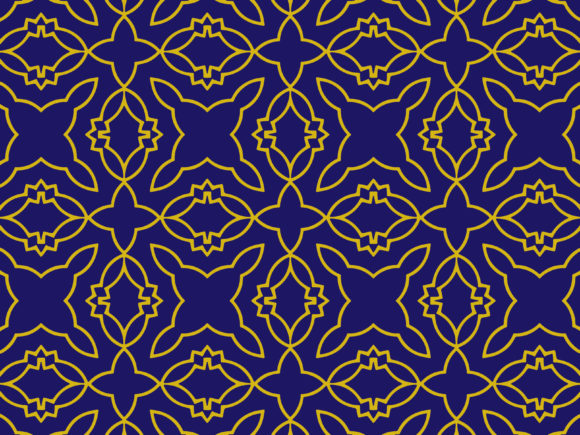
The intricate beauty of Pattern Islamic Illustration Symmetry has captivated artists, designers, and architects for centuries. Rooted in the rich cultural heritage of the Islamic world, these geometric and floral motifs have transcended their historical origins to become a popular choice in modern design. Whether used as a background, wallpaper, or decoration, these patterns offer a unique blend of elegance, spirituality, and artistry that resonates with diverse audiences today.
The Essence of Islamic Pattern Symmetry
Islamic pattern symmetry is more than just an aesthetic choice—it's a reflection of deep philosophical and spiritual principles. The use of repetition, balance, and harmony in Islamic art symbolizes the infinite nature of God and the order of the universe. These principles are evident in the seamless geometric designs, mosaic elements, and ornate motifs that define traditional Islamic architecture, textiles, and ceramics.
Modern interpretations of Islamic illustration symmetry maintain this essence while adapting to contemporary tastes. Designers often incorporate abstract and vintage styles into seamless wallpaper or decorative templates, making them suitable for home decor, business interiors, and even digital graphics. This adaptability ensures that Islamic pattern symmetry remains relevant across different mediums and cultures.
Why Islamic Patterns Are Gaining Popularity Today
In recent years, there has been a growing interest in oriental and Middle Eastern design aesthetics. This trend aligns with a broader movement toward embracing cultural diversity and global traditions in interior and graphic design. Islamic patterns are particularly well-suited for modern workflows due to their repeatable nature, which makes them ideal for seamless backgrounds and graphic templates.
Moreover, the rise of digital illustration tools and vector design software has made it easier for creators to experiment with Islamic motifs and integrate them into various projects. Whether you're designing a mosque backdrop, a Ramadan greeting card, or a website template, the versatility of Islamic pattern symmetry allows for endless creative possibilities.
Applications in Modern Design
- Wallpapers: Islamic geometric patterns make excellent backgrounds for both digital and physical spaces. Their repeating nature ensures a cohesive look without visual clutter.
- Decor: From tile designs to ornamental wall accents, Islamic illustration symmetry adds a touch of sophistication and cultural richness to any room.
- Graphic Design: Abstract Islamic motifs can be used in branding, logos, and promotional materials to convey a sense of elegance and tradition.
- Cultural Celebrations: During events like Eid or Ramadan, Islamic patterns are often used in decorations and artwork to celebrate Islamic culture and heritage.
Evolution of Islamic Pattern Symmetry in Contemporary Contexts
The evolution of Islamic pattern symmetry reflects changing artistic sensibilities and technological advancements. Historically, these patterns were handcrafted using mosaic tiles and calligraphy. Today, they are often created using digital vector tools and AI-generated designs, allowing for greater precision and customization.
This shift has also influenced how Islamic patterns are perceived globally. What was once considered a niche or regional style is now widely appreciated in eastern and asian design circles. Modern professionals, including freelancers, entrepreneurs, and marketers, are increasingly incorporating Islamic illustration symmetry into their work to stand out in a competitive market.
Trends in Islamic Decor and Backgrounds
The current design landscape shows a clear preference for minimalist yet ornate aesthetics. Islamic geometric patterns fit perfectly within this trend, offering a balance between sophistication and complexity. Designers are experimenting with vintage and abstract variations of Islamic motifs to create unique and timeless pieces.
For instance, seamless Islamic pattern wallpapers are becoming a favorite among interior designers looking to add texture and depth to a space. Similarly, Islamic-inspired graphic templates are being used by bloggers and content creators to enhance the visual appeal of their platforms.
Practical Implications for Users and Creators
Whether you're a professional designer or someone with a passion for Islamic art, understanding the nuances of Islamic pattern symmetry can open up new creative avenues. Here are some practical recommendations:
- Explore Digital Resources: Use vector design tools to experiment with Islamic motifs and create your own custom patterns.
- Study Historical Examples: Look at traditional mosque decorations, Arabian textiles, and Moroccan mosaics for inspiration.
- Apply to Real-World Projects: Incorporate Islamic patterns into wallpapers, backdrops, or decor elements for homes or businesses.
- Stay Updated on Trends: Follow design blogs, social media, and art communities to stay informed about the latest Islamic design trends.
Conclusion: Embracing the Beauty of Islamic Pattern Symmetry
Pattern Islamic Illustration Symmetry continues to inspire and influence modern design practices. Its timeless appeal, cultural significance, and adaptability make it a valuable asset for anyone interested in creative expression, cultural appreciation, or interior decoration. By integrating Islamic geometric patterns into your projects, you not only celebrate Islamic culture but also contribute to a more diverse and inclusive design landscape.