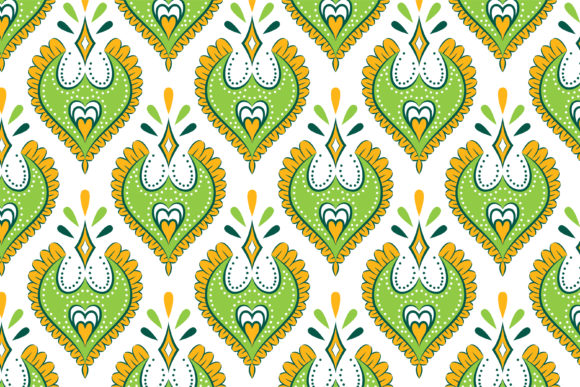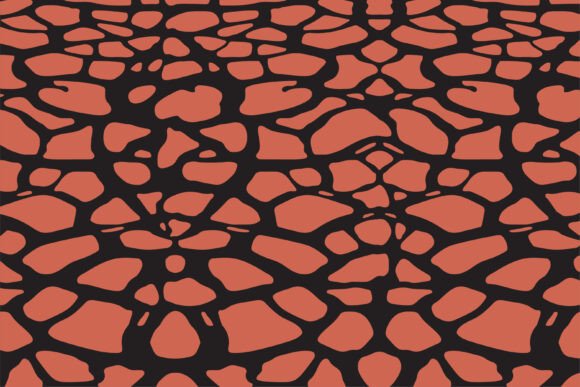
Brown Pattern Islamic Background: A Timeless Design for Modern and Traditional Spaces
The Brown Pattern Islamic Background is a versatile and elegant design that blends the rich heritage of Islamic art with contemporary aesthetics. This intricate pattern, often characterized by its geometric shapes, symmetry, and ornate detailing, has been used for centuries in Islamic architecture, textiles, and decorative arts. Today, it continues to be a popular choice for those looking to incorporate cultural and artistic depth into their interiors, digital projects, or creative endeavors.
Whether you're designing a living space, creating a digital wallpaper, or searching for a unique backdrop for an event, the Brown Pattern Islamic Background offers a sophisticated solution. Its warm, earthy tones and intricate motifs make it suitable for a wide range of applications, from traditional to modern decor.
Understanding the Brown Pattern Islamic Background
The Brown Pattern Islamic Background draws inspiration from the complex geometry and symmetry found in Islamic art. These designs are often composed of repeating patterns, such as stars, polygons, and arabesques, which create a sense of harmony and balance. The use of brown as a dominant color adds warmth and depth, making it ideal for both interior and exterior spaces.
This type of background is not limited to a specific region or culture. It can be seen in various forms across the Middle East, North Africa, and South Asia. From Moroccan mosaics to Persian tiles, the influence of this design is widespread and enduring.
Challenges and Goals When Using Brown Pattern Islamic Background
While the Brown Pattern Islamic Background is visually appealing, there are several challenges that users may face when incorporating it into their projects. One common issue is ensuring that the pattern complements the overall aesthetic of the space. Brown is a versatile color, but it can sometimes overpower other elements if not balanced properly.
Another challenge is selecting the right scale and complexity of the pattern. Too much detail can overwhelm a room, while too little may fail to capture the essence of Islamic design. Users must also consider the lighting conditions in the space, as different light sources can affect how the pattern appears.
Despite these challenges, the goal of using a Brown Pattern Islamic Background is to create a space that feels both beautiful and meaningful. Whether for religious, cultural, or purely decorative purposes, this design offers a way to express identity and appreciation for Islamic art.
Practical Applications of Brown Pattern Islamic Background
The Brown Pattern Islamic Background is highly adaptable and can be used in numerous ways. Here are some practical applications:
- Interior Decor: As a wall background, it can add visual interest to a room without being too overwhelming. It pairs well with neutral furniture and minimalist decor.
- Digital Projects: Used as a wallpaper or background image for websites, apps, or social media posts, it brings a touch of elegance and cultural richness to digital content.
- Event Backdrops: For events like Eid celebrations, Ramadan gatherings, or cultural festivals, a Brown Pattern Islamic Background can serve as a stunning backdrop that reflects the occasion's significance.
- Textile and Fabric Design: Incorporating this pattern into cushions, rugs, or curtains can add texture and depth to any space.
How Different Users Can Approach the Topic
Depending on their needs, users may approach the Brown Pattern Islamic Background differently. For instance, someone designing a home might focus on finding the right balance between pattern and space, while a graphic designer might prioritize scalability and resolution for digital use.
A person creating a Brown Pattern Islamic Background for a mosque or cultural center would likely emphasize authenticity and adherence to traditional styles. On the other hand, someone using it for a modern office space might prefer a more abstract interpretation of the pattern.
No matter the approach, the key is to ensure that the design aligns with the intended purpose and environment. Experimentation with color variations, pattern density, and placement can lead to unique and effective results.
Useful Considerations for Implementation
When implementing a Brown Pattern Islamic Background, there are several factors to keep in mind:
- Color Harmony: Choose complementary colors to enhance the brown pattern without clashing. Soft neutrals or deep jewel tones can work well.
- Pattern Scale: Select a pattern size that suits the space. Larger patterns are better for expansive areas, while smaller ones work well in detailed applications like textiles.
- Lighting: Natural light can bring out the intricacies of the pattern, so consider how the space will be lit throughout the day.
- Cultural Sensitivity: Ensure that the design respects the cultural and religious significance of Islamic art, especially when used in public or sacred spaces.
By keeping these considerations in mind, users can create a cohesive and meaningful design that honors the beauty of Islamic art while meeting their specific needs.
The Brown Pattern Islamic Background is more than just a design element—it’s a celebration of culture, history, and craftsmanship. Whether used in personal spaces, commercial settings, or digital media, it offers a timeless appeal that continues to inspire and captivate audiences around the world.