Green Leaf Horizontal Pattern: A Timeless Design Element for Modern and Traditional Applications
The Artistry Behind Green Leaf Horizontal Pattern
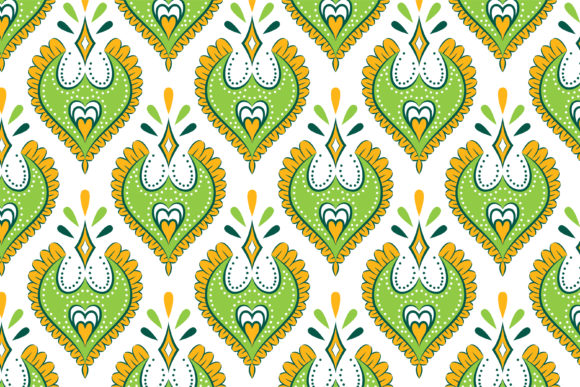
The Green Leaf Horizontal Pattern is a design that bridges the gap between nature-inspired aesthetics and structured visual appeal. This pattern, often characterized by its seamless repetition of leaf motifs arranged in horizontal lines, offers a versatile foundation for a wide range of creative projects. Its roots can be traced to traditional textile art, where artisans used hand-carved blocks to imprint intricate patterns onto fabric. Today, this motif has evolved into a digital vector format, making it accessible for modern applications such as wallpaper, phone cases, home textiles, and graphic designs.
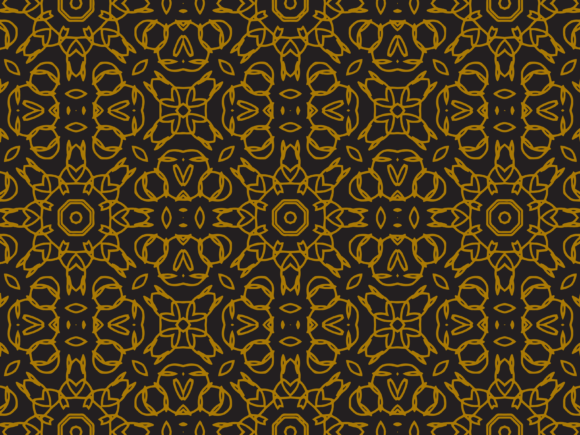
What makes this pattern stand out is its ability to blend antique charm with contemporary elegance. The vintage oriental lattice ornament style, combined with seamless arabesque background elements, creates an ornate yet balanced look. Whether you're designing a decorative backdrop for an event or looking for a textured fabric for clothing, this pattern provides a rich source of inspiration.
At its core, the Green Leaf Horizontal Pattern is more than just a visual element—it's a symbol of growth, renewal, and natural beauty. The use of curves, lines, and repetitions within the pattern reflects the organic flow of leaves and branches, making it a fitting choice for those who appreciate both floral and modern geometric design styles.
Characteristics of Green Leaf Horizontal Pattern
The Green Leaf Horizontal Pattern is defined by several key characteristics that make it unique and adaptable:
- Seamless Repetition: Designed for endless tiling without visible seams, this pattern ensures a smooth and continuous visual experience across any surface.
- Vintage Influence: Inspired by traditional decorative printing block techniques, the pattern carries an air of retro elegance, making it suitable for both antique and modern settings.
- Vector Format: Available as a scalable vector graphic, the pattern maintains clarity at any size, from small phone case designs to large wallpaper installations.
- Color Versatility: While green is the dominant hue, the pattern can be adapted using various shades and color combinations to suit different themes and moods.
- Decorative Elements: The inclusion of ornate details such as arabesque curves and grid-like structures adds depth and complexity to the design.
These features collectively contribute to the pattern’s widespread appeal, allowing it to be used in diverse contexts—from fashion to graphic illustration, from home decor to digital media.
Applications Across Industries
The versatility of the Green Leaf Horizontal Pattern means it finds application in numerous industries. Here are some of the most common and impactful uses:
Home Textiles and Interior Design
In the realm of home textiles, the pattern is frequently used in curtains, cushions, bedding, and upholstery. Its elegant and timeless aesthetic complements both traditional and modern interiors. When used as a wallpaper, it can transform a room into a serene, nature-inspired space. The light and bright tones of the pattern can also help create a sense of openness and airiness in smaller spaces.
Fashion and Apparel
Designers have embraced the Green Leaf Horizontal Pattern for fabrics, scarves, and accessories. Its floral and botanical essence makes it ideal for collections that emphasize natural themes. The repetition of the pattern allows for creative variations in garment design, ensuring each piece remains visually engaging while maintaining a cohesive look.
Digital Media and Graphic Design
In the world of digital media, the pattern serves as a backdrop, template, or decorative element in invitations, cards, and web designs. The vector format ensures that it looks sharp on all devices, whether viewed on a smartphone or a high-resolution monitor. Its abstract and ornate qualities make it a popular choice for graphic illustrations and artistic compositions.
Commercial and Industrial Use
Businesses and brands also find value in the Green Leaf Horizontal Pattern for packaging, signage, and branding materials. Its classic and elegant appearance aligns well with brands that want to convey a sense of quality and sophistication. In retail environments, the pattern can be used to enhance store displays and product packaging, creating a cohesive brand identity.
Advantages of Using Green Leaf Horizontal Pattern
There are several advantages to incorporating the Green Leaf Horizontal Pattern into your design work:
- Timeless Appeal: The pattern’s roots in traditional design ensure that it never goes out of fashion. It remains relevant across generations and cultures.
- Adaptability: Whether you need a bold statement or a subtle accent, the pattern can be adjusted in scale, color, and detail to fit your needs.
- Professional Quality: As a vector-based design, it maintains its quality at any resolution, making it ideal for professional-grade projects.
- Creative Inspiration: The intricate details and flowing lines of the pattern provide a rich source of inspiration for designers and artists looking to explore new ideas.
- Cost-Effective: Being a repeatable and scalable design, it reduces the need for custom artwork, making it a cost-effective option for many projects.
These benefits make the Green Leaf Horizontal Pattern not only aesthetically pleasing but also highly functional in practical design scenarios.
Considerations for Implementation
While the Green Leaf Horizontal Pattern is incredibly versatile, there are a few considerations to keep in mind when implementing it into your project:
- Color Harmony: While green is the primary color, choosing complementary hues can enhance the visual impact of the pattern. Consider using neutral tones or contrasting colors to create balance.
- Scale and Proportion: The pattern should be scaled appropriately for the intended use. For example, a large-scale wallpaper may require a more subtle version of the pattern, while a small accessory could benefit from a bolder interpretation.
- Contextual Fit: Ensure that the pattern complements the overall design theme. It may not be suitable for every context, so consider how it will interact with other elements in the composition.
- Technical Compatibility: Verify that the pattern is compatible with your design software and output format. Vector files are generally more flexible, but raster versions may be necessary for certain applications.
- Copyright and Licensing: Always check the licensing terms for the pattern to ensure that you have the right to use it in your project. Some patterns may require attribution or commercial use permissions.
By keeping these considerations in mind, you can effectively integrate the Green Leaf Horizontal Pattern into your work while maximizing its potential and minimizing any potential issues.
Conclusion
The Green Leaf Horizontal Pattern is a remarkable design element that continues to inspire and captivate designers, creators, and consumers alike. With its timeless appeal, adaptability, and artistic richness, it remains a valuable asset in a wide range of creative fields. Whether you’re working on home decor, fashion, digital media, or commercial design, this pattern offers a unique opportunity to infuse your work with nature-inspired elegance and endless visual possibilities.